When it comes to powerful household disinfectants, few products are as widely recognized as thick bleach and regular bleach. Whether you’re deep cleaning your bathroom, disinfecting kitchen surfaces, or tackling stubborn stains, choosing the right type of bleach can make a significant difference in both cleaning performance and safety.
But which one actually cleans better? Is thick bleach stronger, or is regular bleach just as effective? In this comprehensive guide, we’ll break down the differences, advantages, disadvantages, and best use cases for each type so you can make the right choice for your cleaning routine.
What Is Thick Bleach?
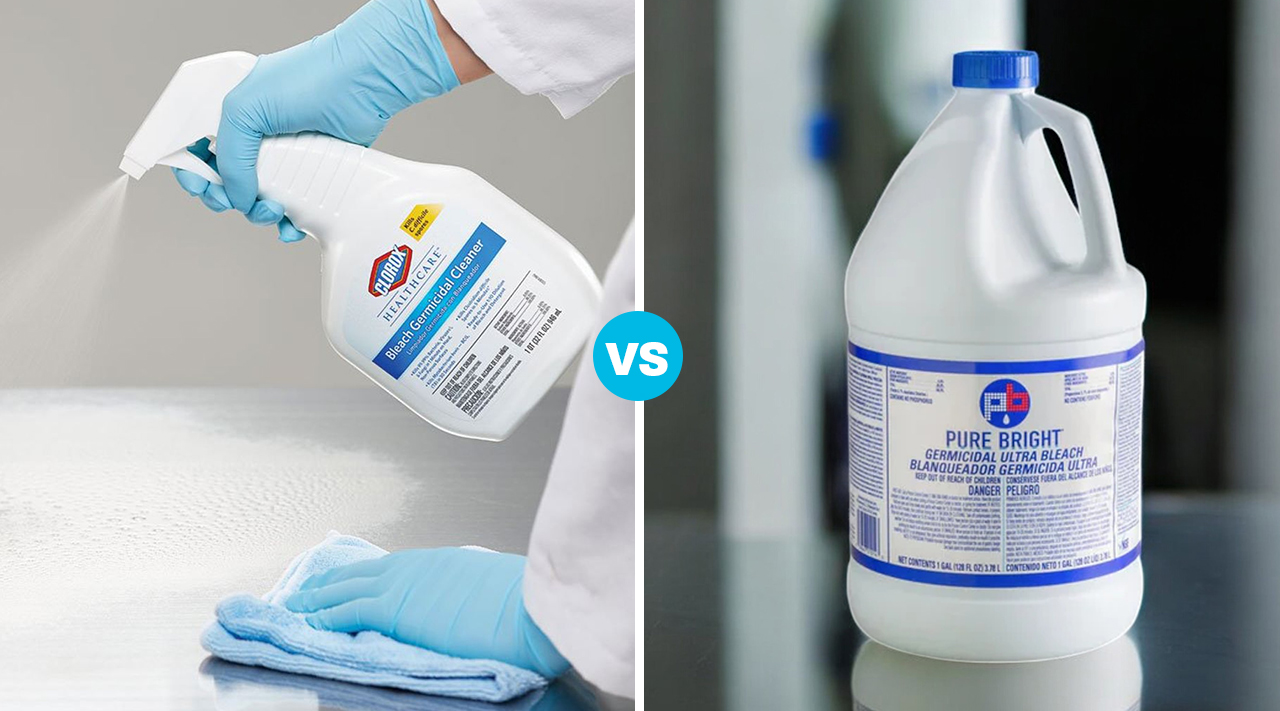
Thick bleach is a specially formulated version of standard household bleach with added thickening agents. These ingredients give it a gel-like consistency, allowing it to cling to vertical surfaces like toilet bowls, tiles, and sinks.
Unlike regular bleach, which has a water-like texture, thick bleach stays in place longer. This extended contact time often results in better stain removal and more effective disinfection on certain surfaces.
Key Features of Thick Bleach
- Thicker, gel-like consistency
- Designed to cling to vertical surfaces
- Often contains added fragrance
- Ideal for bathroom cleaning
- Slower runoff compared to regular bleach
What Is Regular Bleach?
Regular bleach, typically made with sodium hypochlorite diluted in water, is a liquid disinfectant with a thin, water-like consistency. It has been a staple in households for decades due to its strong disinfecting properties and versatility.
Regular bleach spreads quickly and can cover large surface areas efficiently. It is commonly used for disinfecting floors, whitening laundry, and sanitizing hard surfaces.
Key Features of Regular Bleach
- Thin, water-like consistency
- Spreads quickly across surfaces
- Strong disinfectant
- Ideal for laundry and large surface cleaning
- Usually more cost-effective
Cleaning Power: Is Thick Bleach Stronger?
A common misconception is that thick bleach is stronger than regular bleach. In reality, both typically contain similar concentrations of sodium hypochlorite. The difference lies not in strength but in application and contact time.
Why Thick Bleach May Seem More Powerful
Thick bleach clings to surfaces longer, allowing the active ingredient to work for an extended period. This makes it especially effective for:
- Removing toilet bowl stains
- Breaking down mold and mildew
- Cleaning grout lines
- Tackling soap scum buildup
Because it stays in place instead of running off quickly, it can feel more effective — especially on vertical or heavily stained areas.
Why Regular Bleach Is Still Highly Effective
Regular bleach works just as well when used properly. If allowed sufficient contact time (usually 5–10 minutes), it can disinfect and remove stains effectively. Its thinner consistency actually makes it better for:
- Mopping floors
- Diluting in water for surface cleaning
- Whitening clothes
- Sanitizing large flat surfaces
So, in terms of chemical strength, neither is necessarily “better.” The effectiveness depends on how and where you use it.
Best Use Cases for Thick Bleach
If your cleaning routine focuses heavily on bathrooms and tough grime, thick bleach may be your best choice.
-
Toilet Cleaning
Thick bleach is ideal for toilet bowls because it coats the sides and stays under the rim longer. This helps break down stains and kill bacteria more effectively.
-
Mold and Mildew Removal
In damp areas like showers and grout lines, thick bleach adheres better and penetrates mold stains more efficiently.
-
Vertical Surfaces
Walls, tiles, and backsplashes benefit from the gel consistency, which prevents rapid dripping.
Best Use Cases for Regular Bleach
Regular bleach is more versatile and often more economical for general household disinfection.
-
Laundry Whitening
It mixes easily with water and distributes evenly in washing machines, making it ideal for whitening clothes and removing tough stains.
-
Floor Cleaning
When diluted, regular bleach is perfect for mopping and disinfecting large areas.
-
General Surface Disinfection
Kitchen counters, cutting boards, and sinks can be effectively sanitized using properly diluted regular bleach.
Cost Comparison: Thick Bleach vs Regular Bleach
In most cases, regular bleach is less expensive per liter. Thick bleach often costs slightly more because of added thickening agents and fragrance.
If you’re cleaning large areas frequently, regular bleach is typically more budget-friendly. However, for targeted bathroom cleaning, thick bleach may provide better value due to its improved performance on vertical surfaces.
Safety Considerations
Both thick bleach and regular bleach contain sodium hypochlorite, which is a strong chemical disinfectant. Proper safety precautions are essential regardless of which type you choose.
Safety Tips
- Always wear gloves
- Ensure proper ventilation
- Never mix bleach with ammonia or acidic cleaners
- Follow dilution instructions carefully
- Keep out of reach of children
Because thick bleach stays in place longer, be sure to rinse thoroughly to prevent residue buildup.
Environmental Impact
Bleach products can have environmental implications if overused or disposed of improperly. While both types contain similar active ingredients, thick bleach may include additional chemical additives.
To minimize environmental impact:
- Use only the amount needed
- Dilute properly
- Avoid pouring large quantities down drains unnecessarily
Which One Should You Choose?
The answer depends on your cleaning needs.
Choose thick bleach if:
- You clean bathrooms frequently
- You need better adhesion on vertical surfaces
- You deal with mold, mildew, or stubborn stains
Choose regular bleach if:
- You clean large areas
- You do frequent laundry whitening
- You want a more budget-friendly option
- You need versatile disinfection
In many households, having both products can be the smartest solution.
Final Verdict: Which Cleans Better?
There isn’t a one-size-fits-all answer. Thick bleach doesn’t necessarily have stronger cleaning chemicals, but its thicker consistency allows it to work more effectively on certain surfaces. Regular bleach remains a powerful, versatile, and economical disinfectant.
Ultimately, the better cleaner is the one that matches your task.
If you’re targeting tough bathroom grime and vertical stains, thick bleach will likely give you better visible results. For general disinfection and laundry, regular bleach is equally effective and more practical.
Understanding the difference helps you clean smarter — not harder.
By choosing the right type of bleach for each job, you can improve cleaning efficiency, save money, and maintain a healthier home environment.